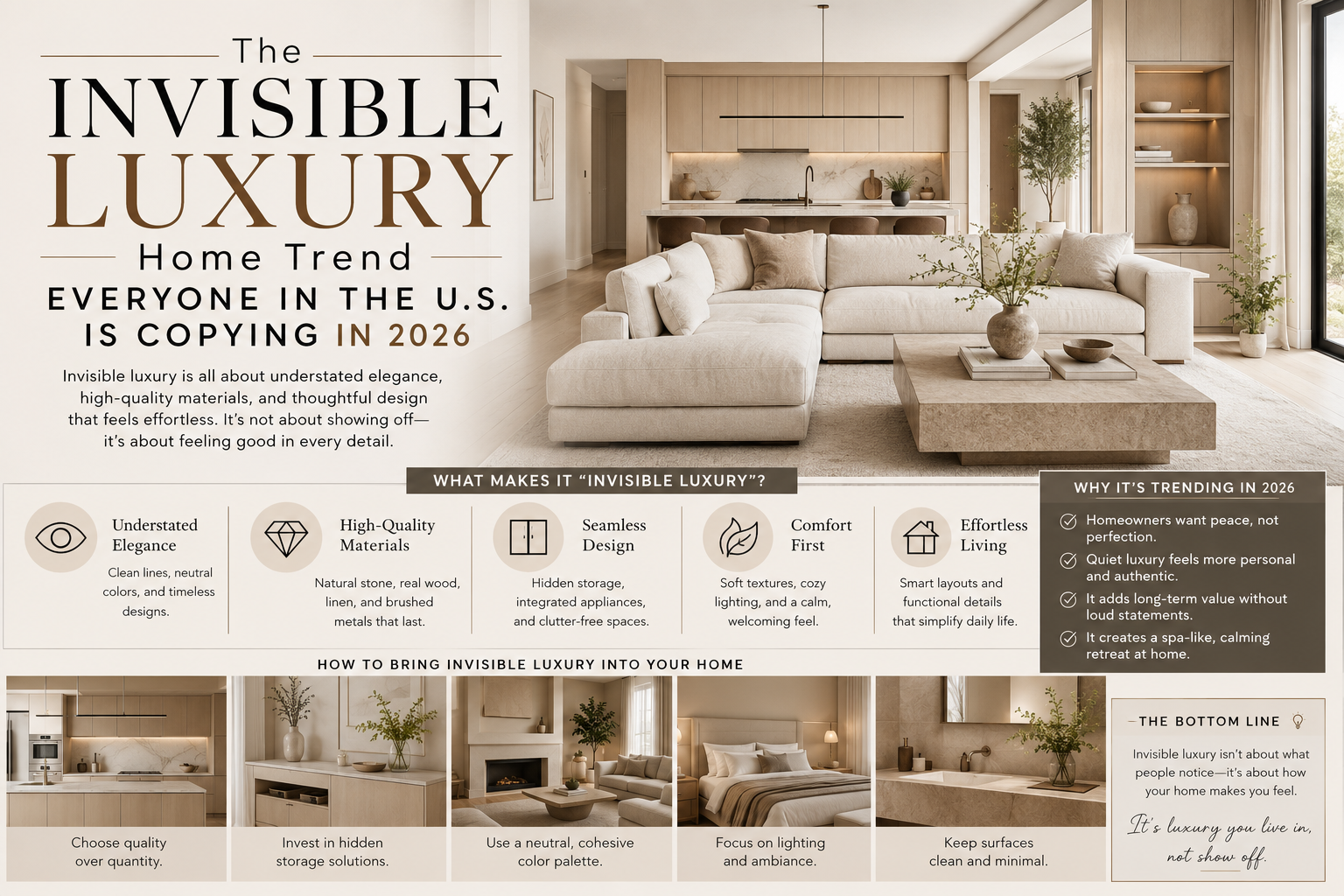
Luxury used to be easy to spot. Walk into an expensive house and you might have seen oversized chandeliers, glossy marble floors, dramatic furniture, enormous kitchens, and decorative pieces carefully positioned to announce that money had been spent. Invisible Luxury In 2026, however, the definition of an expensive-looking home is becoming much quieter. Across the U.S., homeowners and designers are increasingly interested in spaces that feel effortless rather than obviously extravagant.
Current 2026 design reporting from Houzz points toward warmth, richer materials, wellness, personalization, heritage details, and homes designed around real life rather than novelty. This shift has created what many people describe as The Rise of Invisible Luxury : the kind of luxury you experience before you consciously notice it.
A room may not contain a single flashy object, yet everything feels right—the temperature is comfortable, lighting changes naturally throughout the day, storage keeps clutter out of sight, materials feel beautiful under your hands, and furniture seems perfectly suited to the way you live. That is the fascinating part. Invisible luxury does not necessarily ask visitors to admire your wealth; it asks them to wonder why your home feels so peaceful, comfortable, and beautifully considered.
What Does “Invisible Luxury” Actually Mean?
Invisible luxury is not simply another name for minimalism or quiet luxury. Instead, it is a broader approach to designing a home around experience rather than appearance. Think about the difference between a hotel room with expensive furniture and a genuinely exceptional hotel suite.
The expensive room might photograph beautifully, while the exceptional suite anticipates your needs before you think about them. There is a comfortable place to put your luggage, the curtains block unwanted light, bedside switches are exactly where your hand expects them to be, the lighting is flattering, the bathroom feels calm, and the temperature remains comfortable. Invisible luxury brings that same philosophy into everyday residential design. In 2026, PulteGroup describes quiet luxury through understated elegance, natural materials, expert craftsmanship, and restraint, while also identifying wellness and purposeful innovation as major directions for contemporary homes.
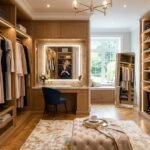
The result is a home where quality is often hidden inside the details. A beautifully organized pantry, concealed charging station, acoustically comfortable room, integrated lighting system, custom storage wall, or carefully selected natural finish may create more perceived luxury than an expensive decorative object sitting in the middle of the room.
Why U.S. Homeowners Are Moving Away From “Look at Me” Luxury
The American approach to luxury interiors is changing partly because homeowners increasingly want their houses to support everyday life. A giant room can look impressive, but if it is uncomfortable, difficult to maintain, acoustically harsh, or filled with furniture nobody wants to use, it does not necessarily feel luxurious. Houzz’s 2026 trend reporting describes a growing interest in tactile environments, warm palettes, natural textures, curved forms, wellness, connection, and spaces that feel personal and purposeful.
That combination tells us something important: homeowners are becoming more interested in how a room makes them feel than how obviously expensive it looks. There is also a practical reason for the change. People want homes that age gracefully instead of requiring constant redesigns every time an Instagram trend changes.
A timeless oak cabinet, natural stone surface, handmade ceramic lamp, or tailored window treatment can remain attractive for years because its appeal does not depend entirely on a temporary aesthetic. Invisible luxury therefore feels less like decorating for an audience and more like investing in the quality of daily life. It is the difference between buying a flashy watch and building a lifestyle where every small interaction feels considered.
The Core Principles of Invisible Luxury
The easiest way to understand this trend is to break it into the elements that repeatedly appear in 2026 home-design discussions. These principles can be applied to a modest apartment, suburban family house, townhouse, or large custom residence because invisible luxury is ultimately about design decisions rather than square footage.
Current industry reporting repeatedly emphasizes wellness, natural materials, adaptability, personalization, integrated technology, craftsmanship, and warmer minimalism. Instead of filling a room with expensive items, homeowners can concentrate on fewer elements and make each one perform beautifully. That might mean choosing better lighting rather than more lighting, better storage rather than more cabinets, or one beautiful natural-material surface instead of several decorative finishes competing for attention.
The goal is visual calm without creating a sterile environment. A successful invisible-luxury interior should feel warm, useful, personal, and quietly sophisticated. It should also make everyday activities easier. If the design looks beautiful but makes morning routines harder, hides necessary items in inconvenient places, or creates maintenance headaches, it has missed the point.
| Invisible Luxury Element | What It Looks Like | Why It Feels Luxurious |
|---|---|---|
| Concealed technology | Speakers, controls, chargers and screens integrated into rooms | Removes visual clutter |
| Natural materials | Wood, stone, linen, wool and handmade finishes | Adds depth and tactile quality |
| Custom storage | Built-ins, appliance garages and hidden compartments | Keeps everyday mess invisible |
| Layered lighting | Ambient, task and accent lighting | Creates atmosphere and flexibility |
| Wellness features | Better air, natural light, quiet zones and spa-like bathrooms | Improves everyday comfort |
| Tailored furniture | Pieces selected for proportion and use | Makes rooms feel intentional |
| Curated objects | Fewer meaningful accessories | Creates personality without clutter |
| Soft geometry | Curves, arches and rounded forms | Makes spaces feel relaxed |
| Quality finishes | Durable hardware, detailed millwork and refined surfaces | Communicates craftsmanship |
| Personal design | Antiques, art, books and collected objects | Prevents a showroom appearance |
Hidden Technology Is Becoming the New Status Symbol
One of the clearest examples of invisible luxury is technology that disappears. A decade ago, smart-home technology often announced itself through visible screens, speakers, switches, cables, and gadgets. Today, the more sophisticated approach is to integrate technology into the architecture so thoroughly that you barely notice it. Lighting can respond to time or activity, shades can operate automatically, climate systems can maintain comfort, and audio can be distributed without turning every wall into an electronics display.
Current luxury-home reporting describes integrated technology, automated climate, immersive audio, and adaptable lighting as increasingly treated like infrastructure rather than decorative add-ons. This is a major psychological change. Technology feels luxurious when it removes friction rather than demanding attention. Imagine walking into your bedroom at night and having gentle pathway lighting appear automatically, or sitting down for dinner while the lighting gradually becomes warmer without anyone touching a switch.
Those experiences may cost more to install, but they do not necessarily look more expensive. That is precisely why they fit the invisible-luxury philosophy. The technology is doing its job while the room remains visually calm.
Custom Storage Is Quietly Transforming Luxury Kitchens
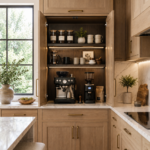
The kitchen may be the room where invisible luxury becomes easiest to recognize. Instead of displaying every appliance, coffee machine, food container, and cooking accessory, homeowners are increasingly looking for ways to make functional equipment disappear when it is not being used.
Appliance garages, concealed pantry areas, integrated refrigerators, deep drawers, and carefully planned storage can create a remarkably clean appearance without forcing homeowners to live impractically.
Houzz’s 2026 research shows strong interest in smarter, more purposeful home layouts, while broader 2026 design reporting highlights the move toward kitchens that combine functionality with a more residential, less showroom-like appearance.
The secret is not owning fewer things; it is giving everything a logical home. A blender can disappear behind a pocket door. Small appliances can live inside a dedicated cabinet with an electrical outlet. Cleaning supplies can be stored near the place where they are used. The result is a kitchen that appears calm even when the household is busy. That is genuine invisible luxury: the room works harder so the homeowner has to think less.
Natural Materials Are Replacing Obvious Opulence
Natural materials have become one of the strongest visual languages of understated luxury. Wood grain, natural stone, linen, wool, plaster-like surfaces, aged metals, and handmade ceramics introduce variation that manufactured perfection often lacks. Instead of trying to make every surface identical, designers are increasingly allowing materials to reveal texture, irregularity, and age. PulteGroup’s 2026 trend reporting specifically connects quiet luxury with natural materials and expert craftsmanship, while Houzz identifies rich materials and heritage-inspired details among the year’s important home-design directions.
This does not mean every room needs expensive marble or exotic wood. A modestly priced oak table with a beautiful grain can create more warmth than a glossy designer table that feels disconnected from the rest of the room. Likewise, linen curtains can soften a room without making it look decorated. The trick is to create a sensory experience. When you touch the countertop, sit on the sofa, walk across the floor, or open a cabinet, the materials should feel considered. Invisible luxury is therefore partly about touch. A room becomes richer when its materials reward closer attention.
Warm Minimalism Is Replacing Cold Minimalism
Minimalism is not disappearing in 2026; it is becoming warmer. The old version of minimalism often relied on hard lines, empty surfaces, monochromatic palettes, and an almost clinical absence of decoration. The newer approach keeps the benefits of simplicity while adding softness, texture, personality, and comfort. PulteGroup identifies Warm Minimalism among the design styles shaping 2026, describing a direction that keeps clean lines while introducing inviting textures.
This is where invisible luxury becomes especially approachable for ordinary homeowners. You do not need a giant house to create the effect. Remove visual noise, improve the proportions of furniture, introduce warm wood, replace harsh bulbs with layered lighting, add substantial curtains, and choose a few objects that actually mean something to you. Suddenly the room feels more expensive without necessarily becoming more expensive.
The key is restraint. Luxury does not mean leaving every surface empty, but it does mean giving important things enough space to breathe. One beautiful lamp can become more powerful when it is surrounded by calm than when it competes with twelve other decorative objects.
Wellness Has Become Part of the Luxury Equation
The most important change in luxury home design may have nothing to do with decoration at all. In 2026, wellness is increasingly being treated as part of the architecture and infrastructure of the home. Engel & Völkers’ 2026 design reporting identifies wellness, natural light, air quality, water quality, recovery spaces, and emotional well-being as central considerations rather than optional luxuries.
That means the luxury bathroom is no longer simply about expensive tile and a giant bathtub. It might include excellent ventilation, comfortable lighting, a quiet atmosphere, thoughtful storage, warm surfaces, and a layout that makes the morning routine easier. A bedroom might prioritize blackout curtains, acoustic comfort, adjustable lighting, natural materials, and minimal visual clutter. A living room might include a small reading corner where someone can step away from screens.
These changes are powerful because they turn the home into a place of recovery. Instead of asking, “How impressive does this room look?” invisible luxury asks, “How much better do I feel after spending an hour here?” That is a much deeper definition of luxury.
Soft Curves Are Making Expensive Spaces Feel More Human
Straight lines have dominated modern interiors for years, but 2026 is bringing softer geometry into homes. Houzz’s 2026 U.S. Emerging Summer Trends Report found growing interest in curves and wave-like forms, including a more than threefold increase in searches for scalloped tile and a 38% increase for wave tile.
Curves can make a room feel less rigid and more inviting without turning it into a themed space. A rounded coffee table, curved sofa, arched doorway, softly shaped kitchen island, or circular pendant can introduce movement without overwhelming the room.
The important word is balance. Covering an entire house in arches and curves can quickly become another obvious trend. Invisible luxury uses softness selectively. Perhaps the architecture remains clean and linear while one sculptural chair or rounded table creates contrast. This approach makes the room feel collected rather than purchased from a single showroom. Curves also work beautifully with natural materials because wood, stone, plaster, and textiles can soften their shapes further. The final effect is subtle but noticeable: the space feels less corporate, less rigid, and more comfortable.
Lighting Is the Secret Ingredient Nobody Sees
Ask someone why a luxury hotel room feels luxurious and they may mention the bed, marble bathroom, or furniture. Ask a lighting designer, and the answer may be completely different. Lighting can change the perceived quality of every other element in a room.
A beautiful sofa under harsh overhead lighting can look ordinary, while a modest sofa under warm, layered illumination can suddenly feel inviting. Invisible-luxury homes increasingly rely on multiple layers: general illumination, task lighting, accent lighting, decorative fixtures, and natural daylight. The goal is not simply to make a room bright. It is to create different atmospheres for different moments. Morning light can be crisp and energizing; evening lighting can become softer and warmer; task lighting can focus attention on cooking, reading, or working. Integrated lighting controls can make this experience even smoother.
The most sophisticated result is often the least noticeable. You enter a room and simply think, “This feels beautiful.” You may not immediately realize that the curtains are filtering daylight perfectly, the lamps are balanced across the room, and the overhead lighting is doing almost nothing because it does not need to.
Furniture Is Becoming More Curated and Less Coordinated
Matching furniture sets are losing some of their appeal as homeowners search for spaces with more personality. Recent 2026 bedroom-design reporting highlights a move toward mismatched, curated pieces instead of overly coordinated furniture collections. That shift fits invisible luxury perfectly because genuinely personal interiors rarely look as though everything was purchased on the same afternoon.
A beautiful room might contain a contemporary sofa, vintage side table, handmade lamp, antique mirror, and modern artwork. The pieces do not have to match; they need to communicate with one another through proportion, material, color, or shape. This is also a more sustainable way to decorate because homeowners can keep pieces they love and gradually build a collection. A vintage chair inherited from a family member may contribute more emotional richness than a brand-new decorative chair chosen because it is currently fashionable. Invisible luxury therefore values curation over coordination.
The room tells a story rather than presenting a product catalog. When guests notice that every object has a reason for being there, the home feels authentic—and authenticity is becoming one of the most valuable forms of luxury.
The New Luxury Bathroom Feels Like a Private Retreat
Bathrooms are evolving from purely functional rooms into quiet personal sanctuaries. The most luxurious version is not necessarily the one with the largest tub or most expensive faucet. It is the bathroom where every element supports relaxation.
Think warm natural materials, flattering lighting, concealed storage, large-format surfaces, comfortable temperatures, quality ventilation, and a layout that avoids unnecessary visual clutter. Wellness-focused design is increasingly shaping luxury homes, with recovery and self-care spaces appearing more prominently in 2026 design discussions. Even homeowners working with smaller budgets can capture this feeling by improving the details that affect daily experience. Replace a harsh ceiling fixture with layered lighting. Install a substantial mirror. Use matching containers for frequently used products. Add a wooden stool, textured towel, or small plant. Keep countertops intentionally clear.
The objective is not to make the bathroom look like a five-star hotel; it is to make an ordinary Tuesday morning feel slightly more peaceful. That is exactly where invisible luxury earns its name.
Personalization Is More Valuable Than Perfection
One of the biggest mistakes people make when trying to create a luxurious home is copying another luxurious home too literally. You can reproduce the same colors, furniture shapes, artwork style, and materials, but the result may still feel strangely empty.
Why? Because luxury without personality becomes staging. Current 2026 design reporting increasingly emphasizes individuality and authenticity rather than uniformity. Engel & Völkers specifically identifies a movement away from perfection and toward authenticity, while Houzz describes homes becoming more personal and purposeful. A home should reveal something about the people who live there. Maybe that means displaying travel photography, family books, vintage objects, ceramics from local artists, or artwork chosen simply because it makes you happy.
Personalization does not require clutter. In fact, the most successful approach is often selective. Choose fewer things, but choose things that have emotional or visual meaning. A handmade bowl on an otherwise empty shelf can tell a stronger story than an entire arrangement of generic accessories. Invisible luxury is not about hiding your personality; it is about removing everything that does not belong.
How to Create Invisible Luxury on a Normal Budget
The good news is that invisible luxury does not require a millionaire’s renovation budget. Its biggest principles—editing, organization, proportion, lighting, texture, and personalization—can often be achieved without rebuilding the house. Start by removing visual clutter because a calm room instantly looks more intentional.
Then improve lighting, especially in areas where the existing fixtures create harsh shadows. Add full-length curtains, natural textures, and one or two substantial pieces rather than buying many inexpensive accessories.
Upgrade high-contact elements such as cabinet handles, faucets, switches, and drawer hardware where appropriate. Improve storage so daily necessities disappear when they are not being used. You can also create a luxury feeling through consistency: repeat a wood tone, metal finish, or textile texture across connected rooms without making everything identical.
The biggest mistake is spending money on objects while ignoring the underlying experience. A $3,000 sofa in a cluttered room with poor lighting may look ordinary, while a carefully arranged room with a comfortable secondhand sofa can feel surprisingly sophisticated. Invisible luxury rewards thoughtfulness more than spending.
The Difference Between Quiet Luxury and Invisible Luxury
Quiet luxury and invisible luxury overlap, but they are not exactly the same. Quiet luxury usually describes a visual aesthetic built around understated quality, timeless materials, muted palettes, and discreet sophistication. Invisible luxury goes one step further by asking what the homeowner experiences, not merely what the homeowner sees.
A hidden appliance, automatic shade, excellent acoustic treatment, comfortable temperature, custom drawer, or perfectly positioned reading light may have almost no visual impact, yet each can dramatically improve daily life. That distinction matters because it makes the trend more accessible. You do not need to make your entire home look like a luxury showroom. You can instead identify small frustrations and solve them elegantly. If shoes always pile up at the entrance, create concealed storage.
If the bedroom feels too bright, improve window treatments. If the kitchen counter is always crowded, build dedicated appliance storage. If evenings feel harsh, layer the lighting. Each solution creates a tiny moment of ease. Add enough of those moments together and the entire home begins to feel luxurious without becoming showy.
The 2026 Invisible-Luxury Checklist
Before buying another decorative item, walk through your home and ask whether the space actually works beautifully. Does every frequently used object have a logical storage location? Can you create several lighting moods?
Are there materials that feel good to touch? Is your bedroom genuinely restful? Can technology disappear when you do not need it? Does your furniture arrangement encourage conversation and movement? Are your most visible surfaces intentionally edited? Do you have objects that reflect your personality rather than simply following a trend? These questions are more useful than asking whether your home looks expensive.
They shift your attention from appearance to experience. The following checklist can help turn the idea into practical decisions.
| Area | Invisible-Luxury Upgrade | Priority |
|---|---|---|
| Entryway | Concealed shoe and coat storage | High |
| Living room | Layered lighting and comfortable seating | High |
| Kitchen | Appliance storage and organized drawers | High |
| Bedroom | Better curtains and soft lighting | High |
| Bathroom | Clear surfaces and spa-like lighting | Medium |
| Home office | Cable management and concealed technology | Medium |
| Dining area | Warm lighting and tactile materials | Medium |
| Whole home | Consistent finishes and fewer visual distractions | High |
| Smart home | Integrated controls rather than visible gadgets | Medium |
| Decor | Fewer, more personal objects | High |
Mistakes That Can Make Invisible Luxury Look Fake
The fastest way to ruin invisible luxury is to make it too obvious. Covering every wall with beige, purchasing an entire matching furniture collection, installing trendy features simply because social media says they are fashionable, or filling rooms with fake “luxury” accessories can produce the opposite effect. Another common mistake is confusing emptiness with sophistication. A room does not become luxurious because it contains almost nothing. It becomes luxurious when the things that remain are useful, beautiful, comfortable, or meaningful. Overusing curves can also make a space look like a trend showroom, while excessive marble, brass, or stone can make even a large home feel cold.
The 2026 direction is more nuanced: natural materials, warmth, personal expression, wellness, and thoughtful technology are working together rather than competing for attention. The best rule is simple: if a design decision exists only to prove that you spent money, reconsider it. If it makes your life easier, calmer, healthier, or more enjoyable, it probably belongs.
Why Invisible Luxury Could Outlast Other 2026 Trends
Trends normally have a short lifespan because they depend on visual novelty. Invisible luxury has a better chance of lasting because its strongest features solve real problems. Better storage will remain useful. Comfortable lighting will remain desirable.
Natural materials will continue to age. Wellness-focused spaces will remain relevant. Technology that reduces friction will likely become even more integrated. Personalized rooms will not suddenly become undesirable simply because a new color becomes fashionable. Houzz’s broader 2026 research reflects this movement toward warmth, longevity, well-being, rich materials, and homes designed around actual lifestyles.
That makes invisible luxury less of a decorating style and more of a design philosophy. You can change the artwork, paint color, sofa, or accessories without abandoning the underlying approach. In that sense, the trend is surprisingly practical. It tells homeowners to spend less energy chasing whatever looks expensive this month and more energy making the home work beautifully for the next ten years.
Conclusion: The Most Luxurious Thing in Your Home May Be What Nobody Notices
The “invisible luxury” home trend of 2026 is changing the meaning of expensive design in a fascinating way. Instead of asking homeowners to fill their houses with obvious symbols of wealth, it encourages them to invest in comfort, craftsmanship, wellness, natural materials, intelligent storage, personalized details, and technology that quietly disappears into the background. Current U.S. design research supports the broader shift toward warmer, more tactile, wellness-oriented, purposeful homes, with curves, rich materials, individuality, and thoughtful functionality gaining attention.
The beauty of this approach is that you do not need a mansion to use it. A small apartment can have concealed storage, beautiful lighting, natural textures, and carefully selected furniture. A suburban home can have a calmer kitchen, better window treatments, and a bedroom designed around rest. Even a rental can benefit from decluttering, improved lamps, textiles, organization, and personal objects. The real luxury is not the price tag. It is the feeling that your home understands you.
That may be why invisible luxury is resonating so strongly in 2026. After years of highly photographed, highly styled interiors, people are increasingly craving spaces that feel genuine. They want homes that help them breathe, rest, work, cook, connect, and recover. They want beauty without constant maintenance and technology without visual noise. Most importantly, they want their homes to feel like their homes, not advertisements for someone else’s lifestyle.
The ultimate test is therefore wonderfully simple: when you walk through your front door at the end of a long day, does your home make life feel a little easier?
If the answer is yes, you may already understand the real meaning of invisible luxury.
FAQs About Invisible Luxury Home Design in 2026
1. What is invisible luxury in home design?
Invisible luxury is an approach to interior design that focuses on the quality of everyday experiences rather than obvious displays of wealth. It includes thoughtful storage, high-quality materials, layered lighting, wellness features, personalized furniture, and technology that integrates quietly into the home. The goal is to make a house feel comfortable, effortless, sophisticated, and highly functional without making luxury the center of attention.
2. Is invisible luxury the same as quiet luxury?
They are closely related but not identical. Quiet luxury primarily describes an understated visual aesthetic using timeless materials, restrained colors, craftsmanship, and subtle elegance. Invisible luxury expands that concept into functionality and experience, including hidden storage, integrated smart technology, acoustic comfort, wellness features, lighting, and personalized layouts. In simple terms, quiet luxury is largely about how a home looks, while invisible luxury is also about how beautifully the home works.
3. How can I make my home look luxurious without spending a lot?
Start with the elements you interact with every day. Declutter visible surfaces, improve lighting, use full-length curtains, organize storage, select tactile textiles, and replace inexpensive-looking hardware where practical. You can also create a more sophisticated atmosphere by choosing fewer decorative pieces and giving each one enough space. Invisible luxury is particularly budget-friendly because organization, proportion, lighting, and personalization can have a major visual impact without requiring a complete renovation.
4. What materials are popular for invisible luxury homes in 2026?
Natural wood, natural stone, linen, wool, textured plaster-like finishes, aged metals, handmade ceramics, and other tactile materials are strongly aligned with the 2026 direction toward warmth and authenticity. Current industry reporting highlights natural materials, richer textures, heritage-inspired details, and craftsmanship as important elements of contemporary home design. The important point is not simply choosing expensive materials but selecting surfaces that develop character and feel good to live with.
5. Why is invisible luxury becoming popular in the U.S. in 2026?
The trend reflects a broader shift toward homes that support wellness, comfort, authenticity, and real-life routines. Recent U.S. Houzz research shows growing interest in tactile environments, warm palettes, curves, wellness spaces, connection, and purposeful design, while luxury-home reports emphasize integrated technology, natural materials, personalization, and emotional well-being. Instead of using a home primarily to demonstrate status, homeowners are increasingly treating it as a place for recovery, connection, and everyday comfort.