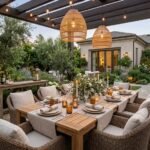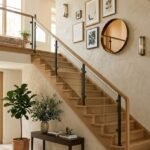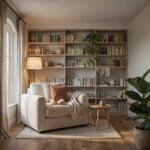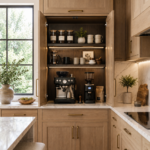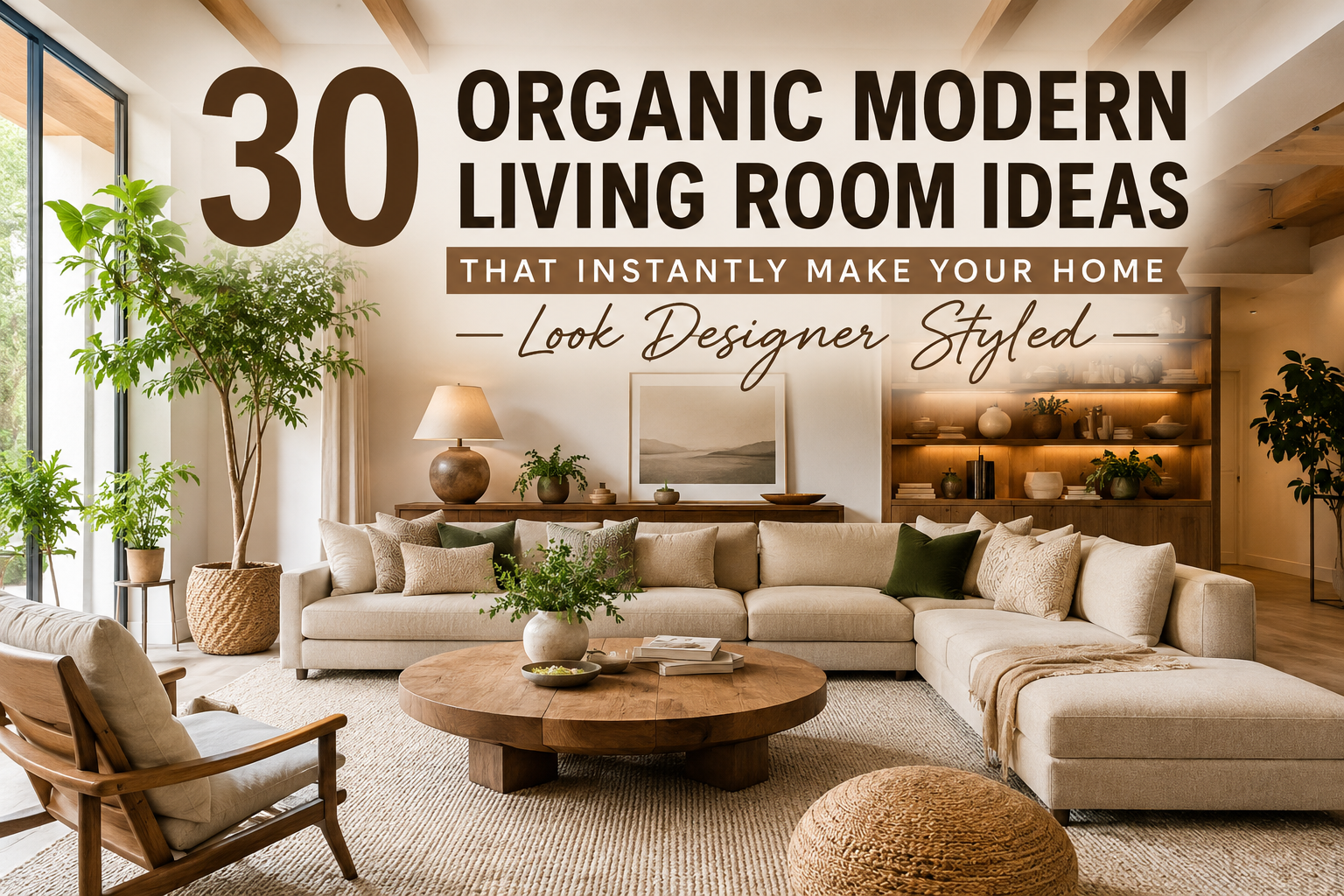
Modern homes no longer rely on glossy finishes and perfectly symmetrical spaces. Instead, homeowners are embracing organic modern interior design, a timeless decorating approach that combines the simplicity of modern aesthetics with the warmth of natural materials. The result is a living room that feels luxurious, calming, and effortlessly inviting.
Whether you’re renovating your home, decorating a new apartment, or simply refreshing your current living room, the organic modern style offers endless possibilities. It emphasizes sustainability, clean lines, earthy colors, handcrafted decor, and natural textures while maintaining a sophisticated appearance that feels professionally designed.
This comprehensive guide explores 30 inspiring organic modern living room ideas that instantly elevate your space. You’ll also discover practical decorating tips, expert styling advice, common mistakes to avoid, and budget-friendly solutions to help create a designer-quality living room without overspending.
What Is Organic Modern Interior Design?
Organic modern design is a perfect balance between nature and minimalism. It blends contemporary architecture with raw, natural elements like wood, linen, stone, wool, leather, cotton, clay, and indoor plants.
Unlike traditional minimalism, which can sometimes feel cold or sterile, organic modern interiors feel warm, welcoming, and lived-in. Every piece serves both beauty and function while celebrating imperfections found in natural materials.
The goal isn’t to fill a room with decorations. Instead, it’s about selecting fewer but higher-quality items that create harmony throughout the space.
The Philosophy Behind Organic Modern Style
Organic modern design is inspired by nature. Curved furniture mimics flowing landscapes, earthy colors reflect forests and deserts, while textured fabrics introduce comfort.
This style encourages slowing down and appreciating craftsmanship rather than chasing fast-changing trends. Handmade pottery, reclaimed wood furniture, woven baskets, and natural stone surfaces all contribute to an environment that feels authentic.
Rather than making every corner look perfect, organic modern homes celebrate subtle imperfections that add personality.
Why This Trend Continues to Dominate Interior Design
Interior designers consistently recommend organic modern decorating because it never feels outdated.
Several reasons explain its popularity:
| Feature | Benefit |
|---|---|
| Neutral Colors | Timeless appearance |
| Natural Materials | Sustainable and durable |
| Soft Textures | Cozy atmosphere |
| Minimal Decor | Clutter-free environment |
| Indoor Plants | Improved visual appeal |
| Layered Lighting | Comfortable ambiance |
This combination creates rooms that look expensive while remaining practical for everyday living.
Essential Elements of an Organic Modern Living Room
Every successful organic modern living room shares several defining characteristics.
Natural Materials
Choose furniture made from:
- Oak
- Walnut
- Teak
- Travertine
- Marble
- Limestone
- Linen
- Cotton
- Wool
- Leather
Natural finishes create warmth impossible to achieve with synthetic materials.
Earthy Color Palettes
Popular colors include:
- Warm white
- Cream
- Beige
- Sand
- Taupe
- Clay
- Olive green
- Terracotta
- Charcoal
- Soft brown
These colors provide a relaxing atmosphere while making rooms appear larger.
For More :
Contemporary Pool Design Ideas for Modern Homes :
Organic Shapes and Textures
Rounded coffee tables, curved sofas, boucle chairs, textured rugs, woven baskets, and ceramic accessories soften the clean architectural lines typical of modern homes.
30 Organic Modern Living Room Ideas
Color & Wall Ideas
1. Paint Walls Warm White
Skip bright white paint. Instead, choose creamy shades that reflect natural sunlight beautifully.
2. Add Limewash Paint
Limewash creates subtle movement and texture that instantly elevates plain walls.
3. Install Wood Paneling
Vertical oak slats provide architectural interest without overwhelming the room.
4. Use Large Neutral Artwork
Oversized abstract art in beige, cream, or charcoal creates a luxury focal point.
5. Mix Stone Accent Walls
Natural limestone or textured stone adds incredible depth.
Furniture & Layout Ideas
6. Invest in a Curved Sofa
Soft curves create a welcoming atmosphere.
7. Choose a Solid Wood Coffee Table
Natural grain becomes artwork itself.
8. Layer Different Seating Options
Mix sofas, lounge chairs, and ottomans.
9. Keep Furniture Low Profile
Lower furniture makes ceilings appear taller.
10. Add a Sculptural Accent Chair
One statement chair transforms the room.
11. Incorporate Open Shelving
Display only meaningful decorative objects.
12. Use Built-In Storage
Hidden storage maintains a clean aesthetic.
Decor & Accessories
13. Decorate with Handmade Pottery
Ceramic vases add personality.
14. Display Dried Branches
Large branches provide dramatic natural sculptures.
15. Layer Linen Throw Blankets
Texture creates visual warmth.
16. Add Boucle Cushions
Soft fabrics balance wood surfaces.
17. Use Woven Baskets
Stylish storage keeps clutter hidden.
18. Introduce Large Indoor Plants
Olive trees, fiddle leaf figs, and rubber plants thrive indoors.
19. Mix Stone Accessories
Travertine trays and marble bowls elevate styling.
20. Keep Decorative Objects Minimal
Quality always beats quantity.
Lighting & Finishing Touches
21. Install Oversized Pendant Lights
Natural rattan or linen shades diffuse warm light.
22. Add Table Lamps
Soft lighting creates intimate evenings.
23. Use Candles
Natural beeswax candles introduce warmth.
24. Layer Multiple Light Sources
Avoid relying on one ceiling fixture.
25. Install Dimmer Switches
Adjust lighting throughout the day.
26. Choose Black Metal Accents
Contrast adds sophistication.
27. Add Linen Curtains
Full-length curtains soften windows.
28. Style Coffee Tables Sparingly
Books, candles, and pottery are enough.
29. Incorporate Natural Fiber Rugs
Jute and wool rugs anchor the space.
30. Leave Empty Space
Negative space allows every design element to breathe.
Organic Modern Living Room Design Comparison Table
| Element | Best Choice | Why It Works |
|---|---|---|
| Flooring | Wide-plank oak | Warm and timeless |
| Sofa | Curved linen sofa | Comfortable and elegant |
| Coffee Table | Solid oak | Natural beauty |
| Rug | Wool or jute | Adds texture |
| Lighting | Linen pendants | Soft illumination |
| Curtains | Linen drapes | Relaxed luxury |
| Decor | Handmade ceramics | Authentic style |
| Plants | Olive tree | Organic focal point |
| Accent Color | Olive green | Nature-inspired |
| Metals | Matte black | Modern contrast |
Common Mistakes to Avoid
Many homeowners unintentionally create spaces that feel cluttered or disconnected from the organic modern aesthetic. One of the most common mistakes is purchasing too many decorative accessories. While attractive objects certainly add character, overcrowding shelves, coffee tables, and consoles reduces the calm, spacious atmosphere that defines this design style. Instead, select a few meaningful pieces made from natural materials, such as handcrafted ceramics, woven baskets, or sculptural wooden bowls, and allow each item room to stand out.
Another frequent error is relying on cool gray color palettes. Organic modern interiors thrive on warmth, so replacing stark gray tones with creamy whites, warm taupes, soft browns, and earthy greens instantly creates a more inviting environment. Avoid matching every furniture piece perfectly; mixing textures like boucle, linen, leather, oak, and stone adds visual interest while maintaining harmony. Finally, remember that lighting plays a significant role. Harsh overhead lighting can flatten the room, whereas layered lighting with table lamps, floor lamps, wall sconces, and dimmers creates depth and comfort throughout the day.
Budget-Friendly Tips for Achieving the Look
Creating a designer-inspired organic modern living room does not require a luxury budget. Begin with foundational pieces such as a neutral sofa and quality area rug, then gradually introduce natural materials over time. Shopping at thrift stores, antique markets, and local artisan fairs often uncovers unique wooden furniture, handcrafted pottery, and woven baskets that add authentic character at a fraction of retail prices.
Refreshing your walls with warm neutral paint is one of the most affordable upgrades with the biggest visual impact. Layer inexpensive linen cushion covers, cotton throws, and textured rugs to build depth without replacing major furniture pieces. Indoor plants also offer exceptional value, bringing life, color, and freshness to any room while reinforcing the connection to nature. DIY projects, including simple floating shelves, reclaimed wood side tables, or handmade wall art, can further personalize the space while keeping costs manageable. Thoughtful purchasing, patience, and attention to quality over quantity will always outperform buying numerous inexpensive accessories simply to fill empty areas.
Conclusion
An organic modern living room is more than a decorating trend—it represents a lifestyle focused on simplicity, comfort, and timeless beauty. By combining clean architectural lines with warm woods, natural stone, layered textiles, earthy colors, and thoughtfully chosen décor, you can create a living space that feels both luxurious and deeply welcoming. Whether you adopt all 30 ideas or introduce just a handful of them, each thoughtful change moves your home closer to a professionally designed look. Remember that the most beautiful interiors evolve gradually, with every carefully selected piece contributing to a harmonious and authentic environment that reflects your personality while embracing the calming influence of nature.
Frequently Asked Questions
1. What colors work best in an organic modern living room?
Warm whites, cream, beige, taupe, sand, olive green, terracotta, clay, and soft browns create the ideal organic modern palette.
2. Which materials define organic modern design?
Natural wood, linen, cotton, wool, leather, marble, travertine, limestone, rattan, jute, and handcrafted ceramics are essential.
3. Can organic modern style work in small living rooms?
Yes. Neutral colors, low-profile furniture, mirrors, layered lighting, and multifunctional pieces help smaller spaces feel larger and more open.
4. Is organic modern design expensive?
Not necessarily. Prioritizing timeless furniture, incorporating secondhand finds, using natural textiles, and adding indoor plants can achieve the look on a modest budget.
5. How do I keep an organic modern living room from looking boring?
Layer textures, introduce sculptural furniture, mix natural materials, include subtle contrast with matte black accents, and add greenery to create visual interest without sacrificing simplicity.